


Cartes à jouer et à tirer
€2,750.00
In 1967, Jean Dubuffet partnered with London’s Editions Alecto on *Cartes à jouer et à tirer*, playfully recasting his visual vocabulary into the scale of a deck of cards. The set comprises 52 separate cards, each silkscreen-printed, forming a quirky alphabet of lines, planes, and scribbled textures. The title invites action—both “to play” and “to draw”—letting chance and handling shape meaning. Housed in the publisher’s slipcase, the work sits between artist’s book and portable multiple. This hors commerce copy, marked H.C. 11, is in notably fresh condition. It exemplifies Dubuffet’s anti-aesthetic joined to technical exactitude, an irresistible proposition for bibliophiles at the book-object threshold.
Quantity


Dubuffet, Jean
ILLUSTRATORS
ILLUSTRATORS
ILLUSTRATORS
Cartes à jouer et à tirer
1967 | London | Éditions Alecto
Rare hors-commerce copy, near fine, complete with slipcase.
In 1967, Jean Dubuffet partnered with London’s Editions Alecto on *Cartes à jouer et à tirer*, playfully recasting his visual vocabulary into the scale of a deck of cards. The set comprises 52 separate cards, each silkscreen-printed, forming a quirky alphabet of lines, planes, and scribbled textures. The title invites action—both “to play” and “to draw”—letting chance and handling shape meaning. Housed in the publisher’s slipcase, the work sits between artist’s book and portable multiple. This hors commerce copy, marked H.C. 11, is in notably fresh condition. It exemplifies Dubuffet’s anti-aesthetic joined to technical exactitude, an irresistible proposition for bibliophiles at the book-object threshold.
€2,750
Condition Report:
In-Depth Study
References & Bibliography
Format
Divers
Edition Particulars
Hors commerce, marked H.C. 11.
Print Run
380
Copy Number
11
Inscription
No inscription
1
Edition Particulars:
We welcome private inquiries, collaborations with institutions, and acquisition requests. Each message is treated with discretion and respect. We welcome private inquiries, collaborations with institutions, and acquisition requests.
1
Print Run:
Condition Report:
1
Copy Number:
Condition Report:
1
Paper:
Condition Report:
1
Signed:
Condition Report:
Product DETAIL
Here Dubuffet channels his gritty line and granulated matter into the compact field of the playing card. Silkscreen amplifies the surface buzz familiar from his paintings. The cards are not mere reproductions but autonomous carriers, to be arranged sequentially or by chance. The reader-player’s hand becomes part of the reading, reinforcing Dubuffet’s notion of art in the everyday.
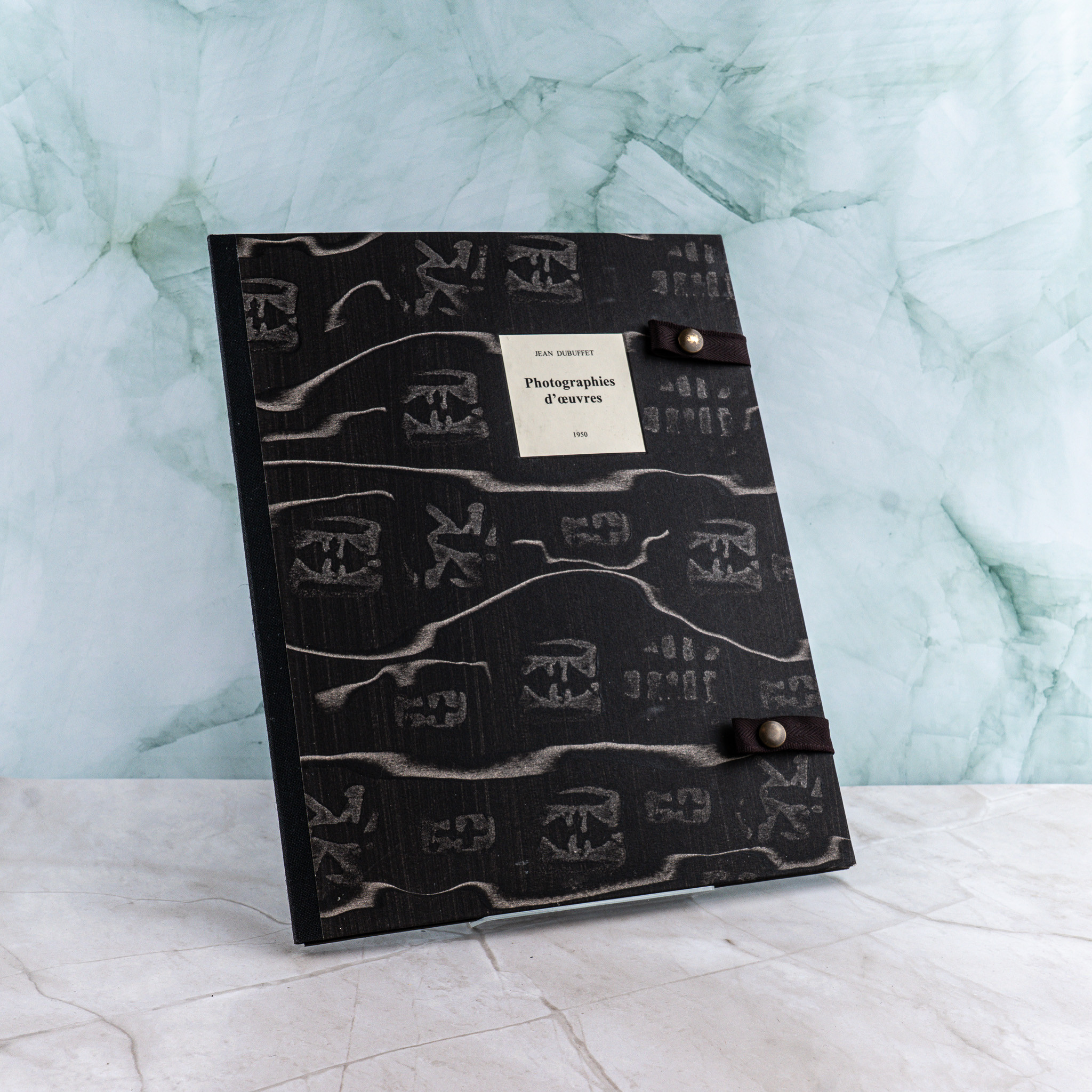
Dubuffet, Jean
12 PHOTOGRAPHIES D'ŒUVRES
Other
€830
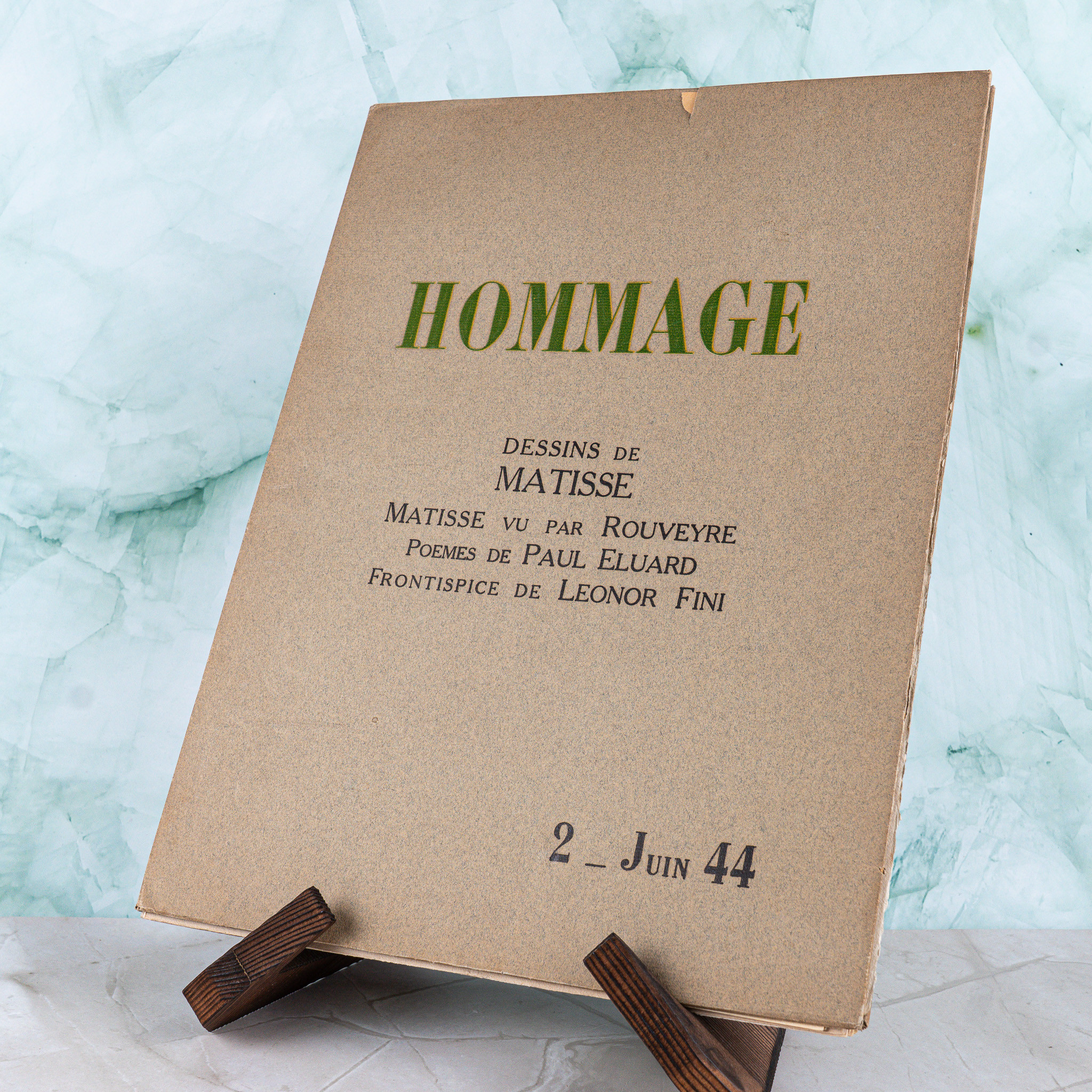
Rouveyre · Leonor Fini · Matisse, Henri
Hommage. Dessins de Matisse
A unique homage to Henri Matisse, published in Monaco during the final stages of World War II. This remarkable book blends literature, photography and visual art, featuring contributions from some of the leading French artists of the 20th century. It includes poetry by Paul Éluard, an essay by André Rouveyre, and a suite of Matisse drawings, complemented by a striking frontispiece by Leonor Fini and an original photograph by Brassaï.
Other
€975
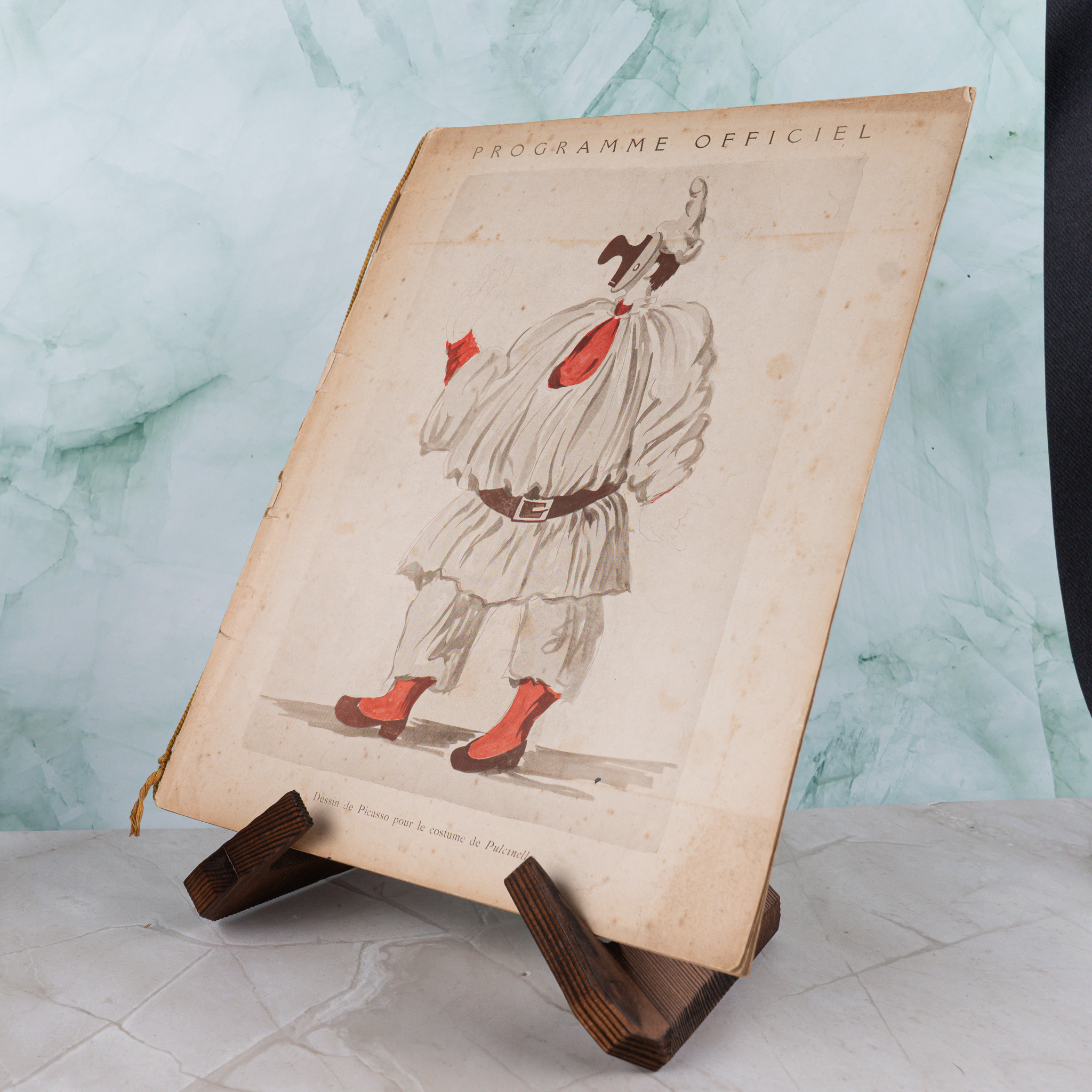
José-Maria Sert · Giorgio de Chirico · Matisse, Henri
Programmes Ballets Russes
Two original program booklets from Serge Diaghilev’s legendary Ballets Russes, featuring contributions by avant-garde artists such as Picasso, Matisse, Sert, and de Chirico. Rare artifacts of interdisciplinary modernism between dance, visual art, and typography during the interwar period.
Other
€650

Zürn, Unica · Bellmer, Hans
Sombre printemps. Traduit de l’allemand par Ruth Henry et Robert Valançay.
This large and sumptuous edition of Sombre printemps brings together one of Unica Zürn’s most haunting texts and an original burin frontispiece by Hans Bellmer. Issued by Pierre Belfond as the French translation of Dunkler Frühling, it appeared when Zürn’s name had become inseparable from Bellmer’s. That proximity is not merely biographical here; it shapes the entire aura of the book, in which text and image seem to emerge from the same disturbed inner world. The deluxe issue, printed on vélin d’Arches and accompanied by an additional proof on japon nacré, gives the volume a distinctly bibliophilic status. Bellmer’s signed frontispiece does not simply decorate the text, but stands as a visual counterpoint to Zürn’s claustrophobic prose. The publication is all the more poignant for having followed so closely upon Zürn’s death, as though the book became both tribute and posthumous memorial. Within the Cahiers du Regard, it ranks among the most charged and desirable collaborations. For the collector, this copy unites literary intensity, surrealist resonance, and exceptional material refinement.

